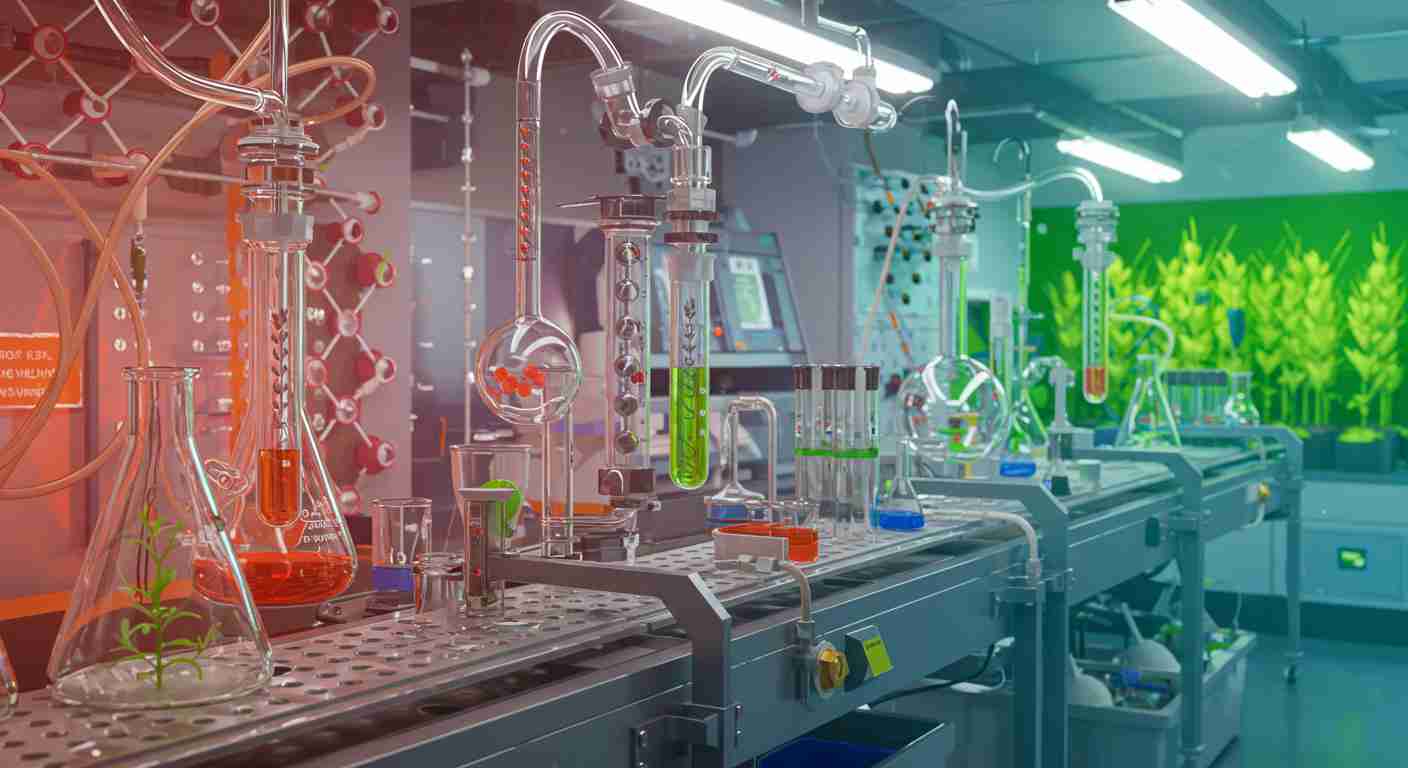
生物实验室
新增检测项目
北京中科光析科学技术研究所致力于为医疗器械、化妆品、食品等行业提供全面、精准、高效的生物安全与性能评估服务
核心优势
- 先进检测设备与平台
- 权威资质认证保障
- 专业技术团队支持
服务覆盖
医疗器械
化妆品
食品安全
科研服务
机构概览与资质认证
机构简介
北京中科光析科学技术研究所成立于2012年8月9日,是一家综合性第三方科研检测机构,总部位于北京市丰台区航丰路8号院。作为集体所有制的股份合作企业,我们致力于为全球客户提供科学、严谨、高效的检测分析服务。
研究所旗下设有化学实验室、微生物实验室等七个专业实验室,并于2020年设立山东分所,进一步扩大服务网络。
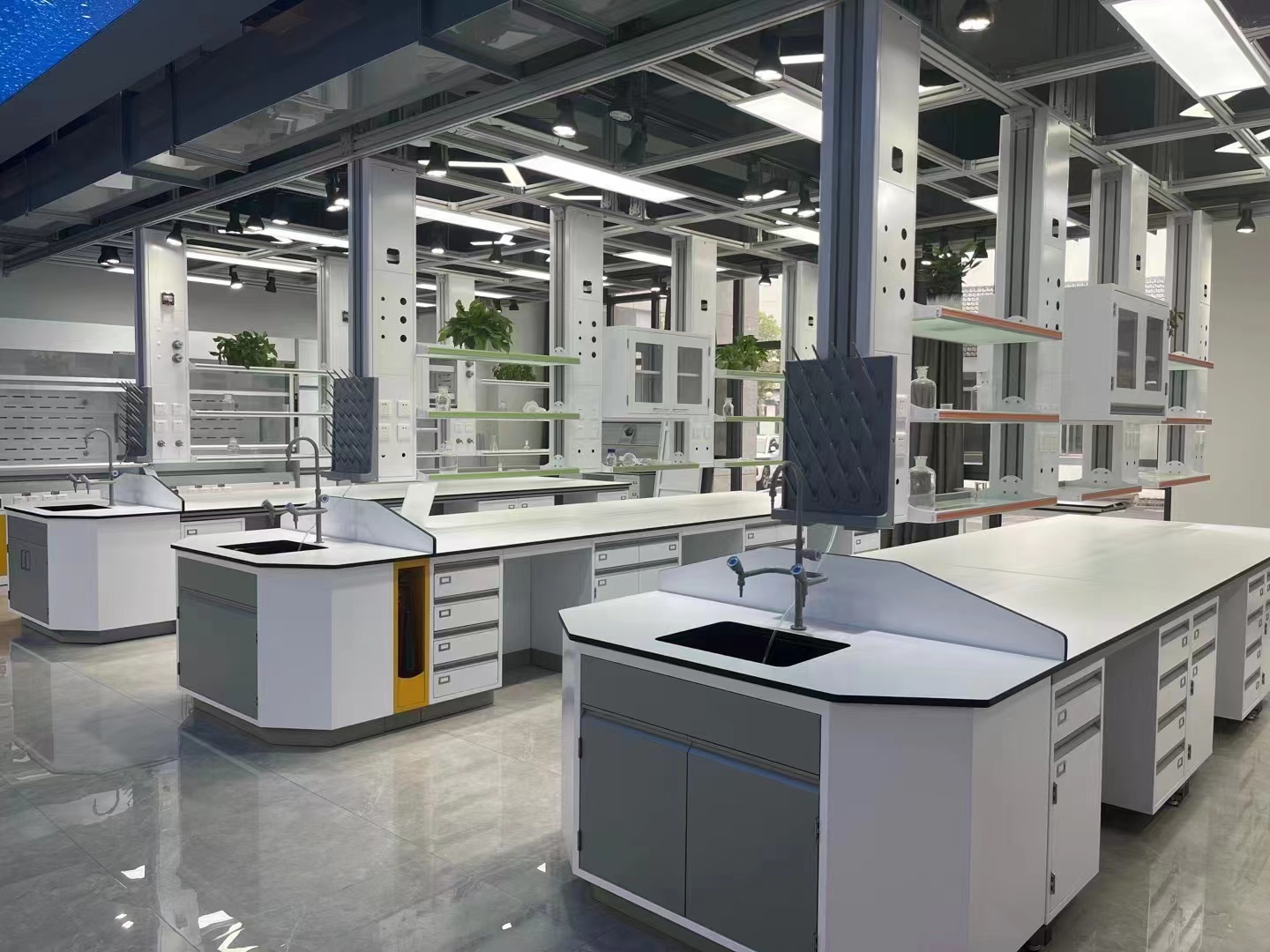
核心资质认证
CMA认证
中国计量认证,检测报告具有法律效力
CNAS认可
国际互认性检测报告
高新技术企业
研究所高新技术企业认证
微生物过滤检测
检测原理:薄膜过滤与负压富集技术
微生物过滤检测的核心原理是利用薄膜过滤法结合负压富集技术,对样品中的微生物进行高效截留和富集。该方法通过孔径通常为0.45微米的无菌滤膜,将微生物物理性截留在滤膜表面。
依据国家标准GB/T 15979进行操作,确保了检测结果的准确性和可比性。
检测范围
- 药品及制药用水
- 食品及饮料
- 化妆品
- 水质监测
技术优势
- MB-100微生物限度检测仪
- 自动化程度高,减少人为误差
- 高重现性和准确性
- 标准报告周期7-10个工作日
样品要求与报告周期
样品要求:
- • 液体样品:100-250毫升
- • 固体样品:10-25克
- • 无菌容器密封保存
- • 低温(2-8°C)运输
报告周期:
- • 标准周期:7-10个工作日
- • 提供加急服务选项
- • CMA/CNAS资质报告
- • 支持扫码查询真伪
医疗器械生物相容性检测
检测原理:细胞活性与组织反应评估
通过一系列体外(in vitro)和体内(in vivo)试验,系统评估医疗器械或材料在与人体接触时可能产生的生物学反应。检测遵循循序渐进原则,从简单的体外试验开始,逐步过渡到复杂的体内试验。
体外试验主要通过细胞培养模型评估材料的细胞毒性,如MTT法检测细胞代谢活性变化。体内植入试验则评估材料引起的局部组织反应。
植入性器械
- • 心血管支架
- • 骨科固定材料
- • 人工关节
- • 牙科填充物
- • 眼科植入物
介入器械
- • 注射穿刺器械
- • 介入导管
- • 医用缝合线
- • 起搏器导线
- • 麻醉呼吸设备
伤口护理
- • 伤口敷料
- • 接触性创面敷料
- • 医用粘合剂
- • 超声耦合剂
- • 避孕器械
检测项目全面覆盖
严格遵循ISO 10993系列国际标准和GB/T 16886中国国家标准,实验室能够开展以下检测项目:
基础评价项目:
- • 细胞毒性试验
- • 致敏反应试验
- • 皮内反应试验
- • 急性全身毒性
进阶评价项目:
- • 遗传毒性试验
- • 植入后局部反应
- • 血液相容性试验
- • 热原试验
应用场景
医疗器械生物相容性检测是产品从研发走向市场的关键环节,是各国医疗器械监管机构(如NMPA、FDA、CE)强制要求的上市前安全评估内容。
研发阶段:
帮助研发人员筛选生物安全性更优的材料,优化产品设计,避免后期开发失败。
注册申报:
提供符合法规要求的安全性数据支持,是注册资料中不可或缺的重要组成部分。
化妆品微生物检测
检测原理与标准
化妆品微生物检测主要基于传统的微生物培养法,通过提供适宜的营养和环境条件,使样品中的微生物在培养基上生长繁殖,形成肉眼可见的菌落进行计数和鉴定。
检测严格遵循《化妆品安全技术规范》,该规范详细规定了菌落总数、霉菌和酵母菌总数、耐热大肠菌群、金黄色葡萄球菌和铜绿假单胞菌等项目的检测方法和判定标准。
检测范围
护肤类
护肤霜、乳液、精华液、面膜、洁面乳等
彩妆类
口红、睫毛膏、粉底、眼影、指甲油等
洗护类
洗发水、护发素、沐浴露、剃须泡沫等
扩展检测能力
重金属检测
铅、砷、汞、镉(AAS/ICP-MS法)
有害物质
二噁烷、甲醇、石棉(GC-MS法)
功效评价
美白、抗皱、防晒等功效验证
应用场景:化妆品质量与安全控制
生产过程监控
原料、半成品、环境检测
成品质量检验
出厂前法定检验项目
产品研发支持
防腐挑战试验
市场监管应对
风险防控与应急处理
样品要求与报告周期
样品要求:
- • 具有代表性,多包装随机抽取
- • 样品量充足,满足所有检测项目
- • 原始包装或无菌容器密封
- • JianCe标注产品信息(名称、批号等)
报告周期:
- • 标准周期:7-15个工作日
- • 提供免费样品初检服务
- • 加急服务可协商确定
- • 透明合理的报价体系
食品微生物检测
检测原理与标准
食品微生物检测通过一系列标准化的实验室操作,对食品样品中的微生物进行定性或定量分析。基本原理包括样品的均质化处理、系列稀释、选择性增菌、分离培养、生化鉴定和血清学确认等步骤。
严格遵循国家食品安全标准(GB 4789系列标准),该系列标准详细规定了各类食品中常见致病菌和指示菌的检验方法。
常规卫生指标
- 菌落总数
- 大肠菌群
- 霉菌和酵母菌计数
反映食品在生产、加工、储存和运输过程中的总体卫生状况
致病菌检测
- 沙门氏菌
- 金黄色葡萄球菌
- 副溶血性弧菌
- 单核细胞增生李斯特氏菌
可能引发食源性疾病的特定微生物
应用场景:食品生产安全监控
供应链全程覆盖:
- • 原材料采购:筛选合格供应商,源头控制风险
- • 生产过程:关键控制点监控,实施HACCP体系
- • 成品检验:法定检验项目,确保合规上市
- • 安全事件调查:追溯污染源,确定致病原因
价值体现:
- • 满足法规要求,规避法律风险
- • 提升产品质量,增强消费者信心
- • 建立品牌声誉,提升市场竞争力
- • 支持进出口贸易,符合国际标准
服务承诺
高效服务流程:
- • 标准报告周期:7-15个工作日
- • 提供加急服务选项
- • 专业技术团队支持
- • 全国上门取样服务
质量保障:
- • 严格遵循GB 4789系列标准
- • 先进检测设备保障
- • 完善的质量控制体系
- • CMA/CNAS资质认证
先进检测仪器与技术平台
微生物检测平台
- • MB-100微生物限度检测仪:集成过滤和培养功能
- • 多酶标仪:支持MTT法、CCK-8法细胞毒性检测
- • 生物安全柜:提供无菌操作环境
生物相容性评估平台
- • 细胞培养与分析系统:CO2培养箱、倒置显微镜
- • 高精度分析天平:精度达0.1mg,确保精确称量
- • 细胞计数仪:精确计数细胞数量
分子生物学检测平台
- • 荧光定量PCR仪:快速检测致病菌
- • 电泳仪系统:琼脂糖凝胶、PAGE、毛细管电泳
- • 逆转录PCR:RNA病毒检测能力
技术平台优势
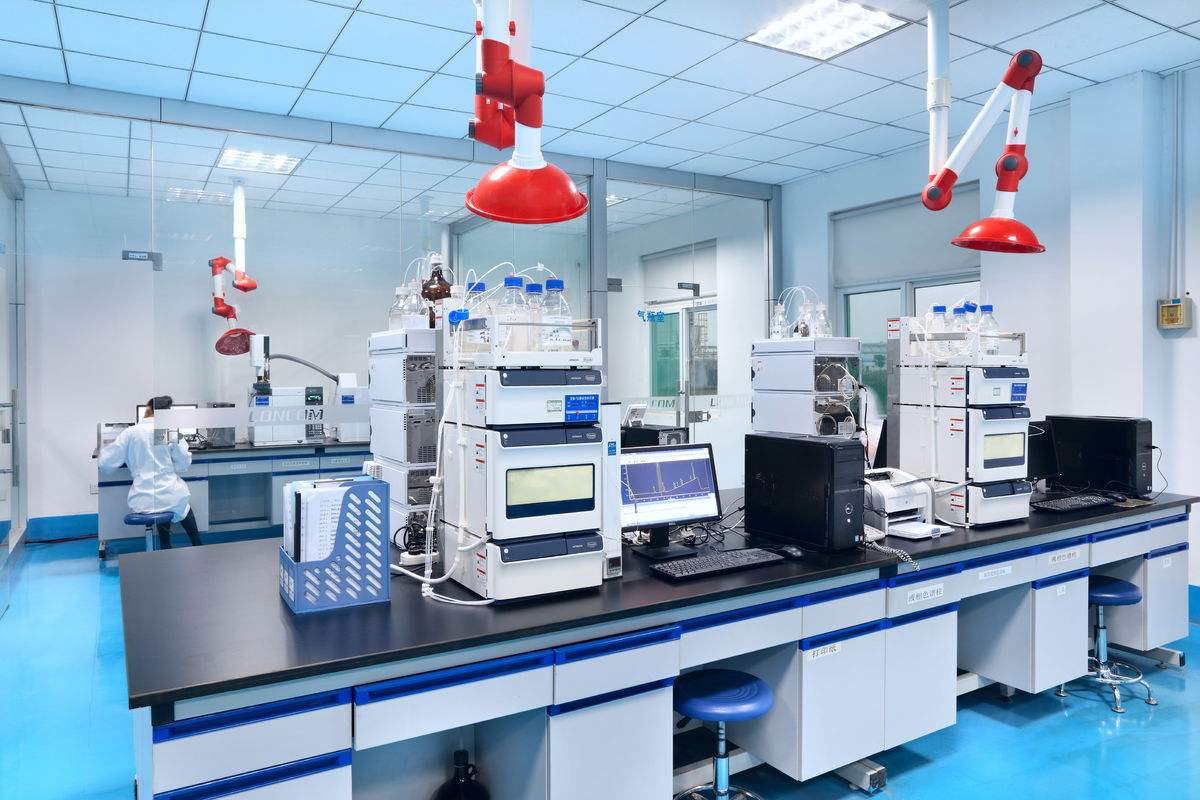
设备先进性
配备各类高精尖检测仪器,包括气相色谱-质谱联用仪(GC-MS)、高效液相色谱仪(HPLC)、电感耦合等离子体质谱仪(ICP-MS)等。
技术能力覆盖
精确分析能力
能够对样品进行精确的定性和定量分析
高通量检测
支持多样品同时检测,提高检测效率
质量控制保障
完善的质量管理体系确保结果可靠性
严格遵循的检测标准与合规性
国家标准(GB)
GB/T 15979
一次性使用卫生用品卫生标准
GB/T 16886系列
医疗器械生物学评价标准
GB 4789系列
食品安全国家标准
国际标准(ISO)
ISO 10993系列
医疗器械生物学评价国际标准
ISO 22196
塑料表面抗菌性能测试方法
ISO/IEC 17025
检测和校准实验室能力要求
行业规范
《中华人民共和国药典》
药品质量控制最高标准
《化妆品安全技术规范》
化妆品注册备案依据
《医疗器械监督管理条例》
医疗器械监管法规依据
合规性保障体系
质量管理体系
- 严格按照ISO/IEC 17025标准建立管理体系
- 定期参加能力验证和实验室间比对
- 实施内部审核和管理评审
- 持续改进检测流程和方法
技术优势
- 17项专利和30项软件著作权
- 省级专精特新中小企业认定
- 研究所高新技术企业认证
- 检测报告支持扫码查询真伪
科研实验与定制化服务能力

实验设计与方法开发
实验室拥有一支由博士、硕士等高学历人才组成的专业技术团队,具备丰富的科研经验和创新能力。能够根据客户需求和研究目的,设计科学合理的实验方案。
- 针对新的检测需求开发新方法
- 进行方法学验证和优化
- 确保方法的准确性和可靠性
数据分析与技术支持
配备先进的数据分析软件和专业技术人员,能够对检测数据进行统计分析、趋势分析、相关性分析等,为客户提供深入的数据解读和专业的技术咨询。
技术支持内容:
检测前支持:
- • 检测标准解读
- • 检测方法咨询
- • 样品制备指导
检测后支持:
- • 数据结果解读
- • 质量控制建议
- • 改进方案制定
成功案例与合作单位
与齐鲁师范学院的校企合作
与齐鲁师范学院等高校建立了紧密的校企合作关系,共同开展科研项目和技术开发。
航空航天、军工科研定制服务
为航空航天、军工等高端领域提供专业的定制化检测服务,解决特殊材料和产品的检测难题。
科研项目参与
生物样本库建设
参与北京市科学技术委员会"生物样本库建设技术攻关项目"
关键设备开发
致力于开发低成本、自主可控的关键设备及技术平台
数据处理创新
专注于科研服务及数据处理等核心业务创新
服务流程与客户支持
报告周期与加急服务
标准周期
常规检测项目标准周期为7-10个工作日
- • 涵盖样品接收、登记、检测、数据审核等所有环节
- • 通过优化流程和自动化设备确保按时完成
加急服务
特别设立加急服务通道,最快可在1-3个工作日内出具报告
- • 根据项目复杂程度评估加急方案
- • 满足产品上市、项目申报等紧急需求
- • 灵活的服务模式体现客户至上理念
联系方式与在线咨询
多种联系方式
便捷服务
- • 全国上门取样服务
- • 寄样检测服务
- • 免费初检小样服务
- • 客户信息严格保密
服务承诺与优势
权威认证
CMA/CNAS双重资质认证,报告具有法律效力
高效快捷
标准周期7-10个工作日,加急服务1-3个工作日
专业团队
经验丰富的专业技术团队,全程技术支持
保密保障
严格的信息保密制度,保护客户权益
Biological Laboratory
New Testing Items
Beijing Zhongke Guangxi Science and Technology Research Institute is committed to providing comprehensive, accurate, and efficient biosafety and performance evaluation services for medical devices, cosmetics, food, and other industries.
Core Advantages
- Advanced Testing Equipment & Platforms
- Authoritative Certification Assurance
- Professional Technical Team Support
Service Coverage
Medical Devices
Cosmetics
Food Safety
Research Services
Overview & Certifications
Institution Profile
Beijing Zhongke Guangxi Science and Technology Research Institute was established on August 9, 2012, as a comprehensive third-party scientific research and testing institution headquartered at No. 8 Hangfeng Road, Fengtai District, Beijing. As a collectively-owned joint-stock cooperative enterprise, we are committed to providing scientific, rigorous, and efficient testing analysis services to global clients.
The institute has seven professional laboratories, including chemical and microbiology labs, and established a Shandong branch in 2020 to further expand our service network.
Core Certifications
CMA Certification
China Metrology Accreditation, test reports have legal effect
CNAS Accreditation
Internationally recognized test reports
High-Tech Enterprise
Institute high-tech enterprise certification
Microbial Filter Testing
Testing Principle: Membrane Filtration & Negative Pressure Enrichment Technology
The core principle of microbial filtration testing is to use membrane filtration method combined with negative pressure enrichment technology to efficiently intercept and enrich microorganisms in samples. This method uses sterile filter membranes with pore sizes typically 0.45 microns to physically trap microorganisms on the membrane surface.
Operations are conducted in accordance with the national standard GB/T 15979, ensuring the accuracy and comparability of test results.
Testing Scope
- Pharmaceuticals & Pharmaceutical Water
- Food & Beverages
- Cosmetics
- Water Quality Monitoring
Technical Advantages
- MB-100 Microbial Limit Testing System
- High automation reduces human error
- High reproducibility and accuracy
- Standard report cycle 7-10 working days
Sample Requirements & Report Cycle
Sample Requirements:
- • Liquid samples: 100-250 ml
- • Solid samples: 10-25 g
- • Sealed in sterile containers
- • Transport at low temperature (2-8°C)
Report Cycle:
- • Standard cycle: 7-10 working days
- • Expedited service options available
- • CMA/CNAS accredited reports
- • QR code verification supported
Medical Device Biocompatibility Testing
Testing Principle: Cell Viability & Tissue Response Assessment
Through a series of in vitro and in vivo tests, systematically evaluate the biological responses that medical devices or materials may produce when in contact with the human body. Testing follows a progressive principle, starting from simple in vitro tests and gradually transitioning to complex in vivo tests.
In vitro tests mainly evaluate material cytotoxicity through cell culture models, such as the MTT method to detect changes in cell metabolic activity. In vivo implantation tests evaluate local tissue reactions caused by materials.
Implantable Devices
- • Cardiovascular stents
- • Orthopedic fixation materials
- • Artificial joints
- • Dental fillings
- • Ophthalmic implants
Interventional Devices
- • Injection and puncture instruments
- • Interventional catheters
- • Medical sutures
- • Pacemaker leads
- • Anesthesia and respiratory equipment
Wound Care
- • Wound dressings
- • Contact wound dressings
- • Medical adhesives
- • Ultrasound coupling agents
- • Contraceptive devices
Comprehensive Testing Coverage
Strictly following ISO 10993 series international standards and GB/T 16886 Chinese national standards, the laboratory can conduct the following testing items:
Basic Evaluation Items:
- • Cytotoxicity test
- • Sensitization test
- • Intracutaneous reactivity test
- • Acute systemic toxicity
Advanced Evaluation Items:
- • Genotoxicity test
- • Local effects after implantation
- • Hemocompatibility test
- • Pyrogen test
Application Scenarios
Medical device biocompatibility testing is a key step from product development to market, and is a mandatory pre-market safety assessment required by medical device regulatory agencies worldwide (such as NMPA, FDA, CE).
R&D Stage:
Help R&D personnel screen materials with better biosafety, optimize product design, and avoid late-stage development failures.
Registration Application:
Provide safety data support that complies with regulatory requirements, an indispensable part of registration documents.
Cosmetics Microbial Testing
Testing Principles & Standards
Cosmetics microbial testing is mainly based on traditional microbial culture methods, providing suitable nutrition and environmental conditions to allow microorganisms in samples to grow and reproduce on culture media, forming visible colonies for counting and identification.
Testing strictly follows the Cosmetics Safety Technical Specification, which details the testing methods and judgment standards for items such as total bacterial count, mold and yeast count, heat-resistant coliforms, Staphylococcus aureus, and Pseudomonas aeruginosa.
Testing Scope
Skincare Products
Face creams, lotions, serums, masks, cleansers, etc.
Makeup Products
Lipstick, mascara, foundation, eyeshadow, nail polish, etc.
Personal Care
Shampoo, conditioner, body wash, shaving foam, etc.
Extended Testing Capabilities
Heavy Metal Testing
Lead, arsenic, mercury, cadmium (AAS/ICP-MS method)
Harmful Substances
Dioxane, methanol, asbestos (GC-MS method)
Efficacy Evaluation
Whitening, anti-wrinkle, sun protection efficacy verification
Application Scenarios: Cosmetics Quality & Safety Control
Production Monitoring
Raw materials, semi-finished products, environmental testing
Finished Product Inspection
Pre-market statutory inspection items
Product Development Support
Preservative challenge testing
Market Regulation Response
Risk prevention and emergency handling
Sample Requirements & Report Cycle
Sample Requirements:
- • Representative, randomly sampled from multiple packages
- • Sufficient sample quantity for all testing items
- • Original packaging or sealed in sterile containers
- • Clearly labeled product information (name, batch number, etc.)
Report Cycle:
- • Standard cycle: 7-15 working days
- • Free initial sample testing service
- • Expedited service negotiable
- • Transparent and reasonable pricing system
Food Safety Testing
Testing Principles & Standards
Food microbial testing conducts qualitative or quantitative analysis of microorganisms in food samples through a series of standardized laboratory operations. Basic principles include sample homogenization, serial dilution, selective enrichment, isolation and culture, biochemical identification, and serological confirmation.
Strictly follows national food safety standards (GB 4789 series standards), which detail the testing methods for common pathogenic bacteria and indicator bacteria in various foods.
Routine Hygiene Indicators
- Total Bacterial Count
- Coliforms
- Mold and Yeast Count
Reflects the overall hygiene status during food production, processing, storage, and transportation
Pathogen Detection
- Salmonella
- Staphylococcus aureus
- Vibrio parahaemolyticus
- Listeria monocytogenes
Specific microorganisms that may cause foodborne diseases
Application Scenarios: Food Production Safety Monitoring
Full Supply Chain Coverage:
- • Raw Material Procurement: Screen qualified suppliers, control risks at source
- • Production Process: Monitor critical control points, implement HACCP system
- • Finished Product Inspection: Statutory inspection items, ensure compliant market release
- • Safety Incident Investigation: Trace contamination sources, determine causes
Value Proposition:
- • Meet regulatory requirements, avoid legal risks
- • Improve product quality, enhance consumer confidence
- • Build brand reputation, enhance market competitiveness
- • Support import/export trade, comply with international standards
Service Commitment
Efficient Service Process:
- • Standard report cycle: 7-15 working days
- • Expedited service options available
- • Professional technical team support
- • Nationwide on-site sampling service
Quality Assurance:
- • Strictly follow GB 4789 series standards
- • Advanced testing equipment guarantee
- • Comprehensive quality control system
- • CMA/CNAS certification
Advanced Testing Equipment & Technology Platforms
Microbial Testing Platform
- • MB-100 Microbial Limit Testing System: Integrated filtration and culture functions
- • Multi-mode Microplate Reader: Supports MTT, CCK-8 cytotoxicity detection
- • Biological Safety Cabinets: Provide sterile operating environment
Biocompatibility Assessment Platform
- • Cell Culture & Analysis System: CO2 incubators, inverted microscopes
- • High-Precision Analytical Balances: Accuracy up to 0.1mg, ensuring precise weighing
- • Cell Counters: Accurate cell counting
Molecular Biology Testing Platform
- • Fluorescent Quantitative PCR: Rapid detection of pathogens
- • Electrophoresis Systems: Agarose gel, PAGE, capillary electrophoresis
- • Reverse Transcription PCR: RNA virus detection capability
Technology Platform Advantages
Equipment Advancement
Equipped with various high-precision testing instruments, including gas chromatography-mass spectrometry (GC-MS), high-performance liquid chromatography (HPLC), inductively coupled plasma mass spectrometry (ICP-MS), etc.
Technical Capability Coverage
Precise Analysis Capability
Ability to perform precise qualitative and quantitative analysis of samples
High-Throughput Testing
Supports simultaneous testing of multiple samples, improving testing efficiency
Quality Control Assurance
Comprehensive quality management system ensures result reliability
Strictly Followed Testing Standards & Compliance
National Standards (GB)
GB/T 15979
Hygienic standard for disposable sanitary products
GB/T 16886 Series
Biological evaluation of medical devices standards
GB 4789 Series
National food safety standards
International Standards (ISO)
ISO 10993 Series
Biological evaluation of medical devices international standards
ISO 22196
Measurement of antibacterial activity on plastics surfaces
ISO/IEC 17025
General requirements for the competence of testing and calibration laboratories
Industry Regulations
Chinese Pharmacopoeia
Highest standard for drug quality control
Cosmetics Safety Technical Specification
Basis for cosmetics registration and filing
Medical Device Supervision and Administration Regulation
Basis for medical device regulatory laws
Compliance Assurance System
Quality Management System
- Establish management system strictly according to ISO/IEC 17025
- Regular participation in proficiency testing and inter-laboratory comparisons
- Implementation of internal audits and management reviews
- Continuous improvement of testing processes and methods
Technical Advantages
- 17 patents and 30 software copyrights
- Provincial specialized and sophisticated SME certification
- Institute high-tech enterprise certification
- Test reports support QR code verification
Research Experimentation & Customized Service Capabilities
Experimental Design & Method Development
The laboratory has a professional technical team composed of PhDs, masters and other highly educated talents with rich research experience and innovation capabilities. Able to design scientific and reasonable experimental solutions according to customer needs and research purposes.
- Develop new methods for new testing requirements
- Conduct methodological validation and optimization
- Ensure method accuracy and reliability
Data Analysis & Technical Support
Equipped with advanced data analysis software and professional technical personnel, able to perform statistical analysis, trend analysis, correlation analysis, etc. on test data, providing customers with in-depth data interpretation and professional technical consultation.
Technical Support Content:
Pre-Testing Support:
- • Testing standard interpretation
- • Testing method consultation
- • Sample preparation guidance
Post-Testing Support:
- • Data result interpretation
- • Quality control suggestions
- • Improvement plan formulation
Success Cases & Partner Institutions
University-Enterprise Cooperation with Qilu Normal University
Established close university-enterprise cooperation relationships with Qilu Normal University and other universities to jointly carry out research projects and technology development.
Aerospace & Military Research Customized Services
Provide professional customized testing services for high-end fields such as aerospace and military, solving testing challenges for special materials and products.
Research Project Participation
Biobank Construction
Participated in Beijing Municipal Science & Technology Commission's "Biobank Construction Technology Research Project"
Key Equipment Development
Dedicated to developing low-cost, independently controllable key equipment and technology platforms
Data Processing Innovation
Focus on core business innovation in research services and data processing
Service Process & Customer Support
Report Cycle & Expedited Services
Standard Cycle
Standard cycle for routine testing items is 7-10 working days
- • Covers all steps including sample receipt, registration, testing, and data review
- • Ensures timely completion through optimized processes and automated equipment
Expedited Services
Special expedited service channel with reports available in as fast as 1-3 working days
- • Evaluate expedited solutions based on project complexity
- • Meet urgent needs such as product launch and project declaration
- • Flexible service model reflects customer-first philosophy
Contact Methods & Online Consultation
Multiple Contact Methods
Convenient Services
- • Nationwide on-site sampling service
- • Mail-in testing service
- • Free initial sample testing service
- • Strict customer information confidentiality
Service Commitments & Advantages
Authoritative Certification
CMA/CNAS dual accreditation, reports have legal effect
Efficient & Fast
Standard cycle 7-10 working days, expedited service 1-3 working days
Professional Team
Experienced professional technical team with full technical support
Confidentiality Assurance
Strict information confidentiality system protects customer rights